Sticking to the Aesthetic: How Y2K Decorative Adhesive Tape Revives Retro Creativity
In the ever-evolving landscape of design trends, few eras have made a comeback as vibrant and unapologetic as the turn of the millennium. The Y2K aesthetic, characterized by its optimism, technological fascination, and bold visual language, has permeated fashion, music, and interior design. However, one of the most accessible and playful entry points into this retro revival is through decorative adhesive tape. These small strips of creativity are not merely office supplies; they are tools for self-expression that transform mundane objects into personalized artifacts.
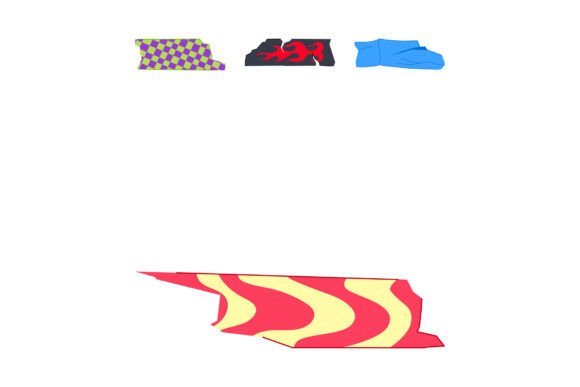
At the heart of this trend are pieces of colorful adhesive tape featuring bold patterns such as checkerboards, flames, and wavy designs. This article explores the significance of these materials, their practical applications in modern life, and why they resonate so deeply with both nostalgic millennials and Gen Z creators who never lived through the original era but embrace its spirit.
Understanding the Y2K Visual Language
To appreciate the appeal of Y2K-style tape, one must first understand the visual codes of the late 1990s and early 2000s. This period was defined by a unique blend of analog warmth and digital curiosity. Designers experimented with bright, saturated colors, metallic finishes, and geometric shapes that suggested speed and futurism.
The checkerboard pattern, for instance, draws from skate culture and racing motifs, symbolizing movement and energy. Flames represent intensity and rebellion, often seen on custom cars and streetwear of the time. Meanwhile, wavy designs and liquid shapes reflect the era’s fascination with fluidity and psychedelic digital art. When these elements are printed on adhesive tape, they become modular design components that can be applied anywhere.
Why Adhesive Tape?
Unlike permanent paint or expensive decals, decorative tape offers a low-stakes way to experiment with design. It is removable, repositionable, and affordable. This accessibility makes it an ideal medium for beginners who want to dip their toes into customization without committing to irreversible changes. For experienced crafters, it provides a quick way to add texture and visual interest to complex projects.
Practical Applications in Daily Life and Work
The utility of Y2K decorative tape extends far beyond scrapbooking. Its versatility allows it to fit seamlessly into various aspects of modern life, from organizing workspaces to enhancing educational tools.
- Personal Organization: In an age of digital overload, physical planners and journals have seen a resurgence. Using flame-patterned tape to mark urgent deadlines or checkerboard strips to separate weekly goals adds a layer of visual hierarchy that makes planning enjoyable rather than tedious.
- Tech Customization: Laptops, phones, and tablets are often uniform in design. Applying wavy, colorful tape to the edges of a laptop or around the camera module of a smartphone creates a unique identifier. It turns mass-produced technology into a personal statement piece.
- Home Decor Accents: Renters who cannot paint walls can use wide-format decorative tape to create accent borders, frame mirrors, or add zest to plain furniture. The bold patterns serve as focal points in minimalist rooms.
Educational and Creative Benefits
In educational settings, these tapes serve as more than just decoration. They are cognitive aids. Teachers and students alike use color-coded tape to categorize notes, highlight key concepts, or create visual maps. The playful nature of Y2K patterns reduces the anxiety associated with studying, making the learning environment more inviting.
For artists and designers, these tapes are excellent for prototyping. Before committing to a final layout in graphic design software, one can arrange physical strips of tape on a board to test composition, balance, and color harmony. This tactile approach encourages spatial reasoning and creative problem-solving.
Common Misunderstandings About Decorative Tape
Despite their popularity, there are several misconceptions about decorative adhesive tapes that deserve clarification.
- Misconception 1: They are low-quality and peel off easily. While cheap variants exist, high-quality Y2K-style tapes use strong acrylic adhesives designed to stay put on paper, plastic, and metal without leaving residue. It is crucial to choose reputable brands that specify "acid-free" and "archival quality" if preserving documents is a goal.
- Misconception 2: They are only for children. The sophistication of modern print techniques allows for intricate, mature designs. Professionals use these tapes for mood boards, client presentations, and architectural models to add depth and context.
- Misconception 3: Application requires special skills. One of the greatest advantages of this medium is its forgiving nature. If a strip is crooked, it can be lifted and reapplied. This lowers the barrier to entry for anyone interested in design.
How to Choose the Right Y2K Tape for Your Project
With countless options available, selecting the right tape can feel overwhelming. Here are some guidelines to help you make informed choices:
First, consider the surface material. For smooth surfaces like laptops or glass, standard vinyl-based tapes work best. For porous surfaces like paper or cardboard, look for washi-style adhesives that bond well without tearing the fiber. Second, think about color coordination. Y2K aesthetics thrive on contrast. Pairing neon green flames with a black background creates a striking effect, while pastel wavy lines on white paper offer a softer, dreamy vibe.
Finally, pay attention to width. Narrow tapes (under 5mm) are ideal for detailing and bordering, while wider tapes (15mm and above) are better for covering larger areas or creating bold statements.
The Cultural Significance of Retro Playfulness
The resurgence of Y2K decorative tape is not just a fashion trend; it is a cultural response to the seriousness of modern life. In a world dominated by sleek, minimalist tech and professional pressures, these bold, playful patterns offer a sense of nostalgia and joy. They remind us of a time when the future seemed exciting and full of possibility.
By incorporating these elements into our daily environments, we reclaim a sense of agency over our surroundings. We declare that our spaces—whether a desk, a journal, or a bedroom—should reflect our personalities, not just functional efficiency. This act of customization is a form of mindfulness, encouraging us to slow down and engage with the physical world.
Conclusion
Decorative adhesive tape with Y2K style is more than a stationery item; it is a versatile tool for creativity, organization, and self-expression. Whether you are drawn to the edgy appeal of flames, the classic rhythm of checkerboards, or the fluidity of wavy designs, these tapes offer an easy way to inject personality into everyday objects. As we continue to navigate a digital-heavy world, the tactile satisfaction of peeling and sticking a piece of colorful tape serves as a gentle reminder to play, create, and enjoy the process of making things our own.
For those looking to start their journey, begin with a small project. Label your cables, decorate your water bottle, or accent your planner. You may find that these small strips of color bring a disproportionate amount of joy to your day. To explore more about sustainable crafting materials, visit our guide on eco-friendly stationery or check out local art supply stores for unique finds.