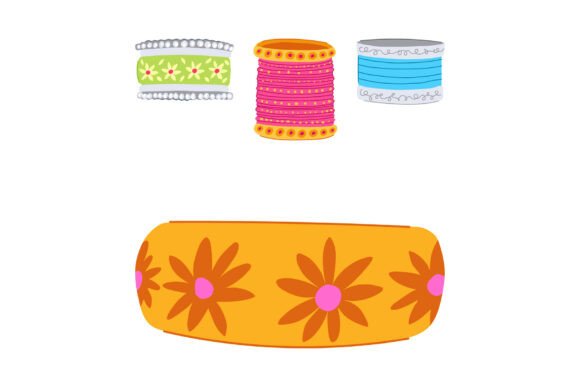
The Art of Adornment: A Guide to Decorative Bangles, Churi Bracelets, and Colorful Stackable Jewelry
In the vast landscape of global fashion, few accessories possess the historical depth and visual impact of decorative bangles and churi bracelets. These circular ornaments are more than mere embellishments; they are cultural symbols, artistic expressions, and versatile fashion statements that have transcended centuries. Whether you are attending a grand wedding, celebrating a vibrant festival, or simply elevating your daily attire, understanding the nuances of these pieces can transform how you approach personal style.
This guide explores the world of colorful stackable bangles and intricate floral motifs, offering insights into their significance, styling potential, and modern relevance. By the end of this article, you will have a comprehensive understanding of how to incorporate these elegant ethnic arm jewelry pieces into your wardrobe with confidence and creativity.
Understanding the Basics: What Are Bangles and Churis?
While often used interchangeably in casual conversation, there is a subtle distinction between standard bangles and churis that is worth noting for the discerning fashion enthusiast.
- Bangles: Typically rigid, non-flexible loops made from metal, glass, wood, or plastic. They do not have a clasp or opening mechanism and must be slipped over the hand.
- Churis: Traditionally, these are narrower, often made of glass or lacquer, and are specifically designed to be worn in large stacks. The term "churi" is deeply rooted in South Asian culture, where the sound of clinking glass bangles is considered auspicious and feminine.
Both forms serve as canvases for artistic expression. From intricate floral motifs engraved in gold to vibrant enamel work on brass, the design possibilities are endless. The appeal lies in their ability to be mixed, matched, and stacked, creating a personalized look that reflects individual taste.
The Significance of Floral Motifs and Patterns
One of the most captivating aspects of ethnic arm jewelry is the prevalence of floral motifs. In many cultures, flowers symbolize growth, beauty, and prosperity. When artisans etch roses, lotuses, or jasmine patterns onto bangles, they are not just decorating metal; they are embedding meaning into the accessory.
For example, a lotus motif might represent purity and spiritual awakening, making it a popular choice for wedding jewelry. Conversely, wildflower patterns might suggest freedom and joy, suitable for festive occasions like Holi or Diwali. Understanding these symbols allows wearers to choose pieces that resonate with their personal values or the specific tone of an event.
Why Stackable Bangles Dominate Modern Fashion
The trend of stacking—wearing multiple bangles together on one wrist—has moved from traditional ethnic wear into mainstream global fashion. This shift is driven by several factors:
- Versatility: Stackable bangles allow for infinite combinations. You can mix metals, colors, and textures to create a unique look every day.
- Personalization: Unlike a single statement cuff, a stack tells a story. Each bangle can represent a memory, a gift, or a milestone.
- Visual Impact: A well-curated stack draws attention to the hands and arms, adding elegance to even the simplest outfits.
In modern life, this adaptability is crucial. A professional might wear a subtle stack of thin gold bangles to the office, then add colorful glass churis for an evening out. This seamless transition from work to play highlights the practical relevance of these accessories in a busy lifestyle.
Choosing the Right Materials for Durability and Style
When selecting decorative bangles, material matters. Here is a breakdown of common materials and their best use cases:
- Glass: Offers vibrant colors and a traditional clinking sound. Best for festivals and weddings but requires careful handling.
- Metal (Gold, Silver, Brass): Durable and timeless. Ideal for daily wear or formal events. Look for intricate engravings for added detail.
- Lacquer and Resin: Lightweight and available in bold, modern colors. Great for casual outings and adding a pop of color to neutral outfits.
- Wood and Bone: Earthy and organic. Perfect for bohemian styles and eco-conscious consumers.
Understanding these materials helps prevent common misunderstandings, such as assuming all bangles are fragile. While glass churis need care, metal bangles are remarkably resilient and can last for generations if maintained properly.
Styling Tips for Weddings, Festivals, and Daily Wear
To truly master the art of wearing bangles, one must consider the occasion. Here is how to tailor your choices for different events:
1. Wedding Elegance
Weddings call for opulence. Opt for intricate floral motifs in gold or Kundan-studded bangles. Pair them with matching earrings for a cohesive look. The key here is symmetry and richness. Do not be afraid to go heavy on the stack, as traditional bridal attire can support bold jewelry.
2. Festival Vibrancy
Festivals are about color and joy. Embrace colorful stackable bangles in bright hues like fuchsia, turquoise, and orange. Mix glass churis with metallic accents to catch the light during dances and celebrations. The goal is to create a dynamic, eye-catching display that mirrors the festive spirit.
3. Everyday Sophistication
For daily activities, less is often more. Choose a few thin, elegant bangles in neutral tones or muted pastels. These can complement both western and ethnic wear without overpowering your outfit. Consider minimalist designs with subtle patterns for a refined touch.
Common Misconceptions About Ethnic Arm Jewelry
Despite their popularity, several myths persist regarding bangles and churis. Let’s clarify them:
Myth 1: They are only for traditional clothing.
Reality: Bangles pair beautifully with jeans and t-shirts, blazers, and even evening gowns. The contrast between modern clothing and traditional jewelry creates a chic, eclectic look.
Myth 2: Stacking is complicated and messy.
Reality: With practice, stacking becomes intuitive. Start with a base of solid-colored bangles and add patterned ones gradually. Use silicone stoppers inside larger bangles to keep them in place and reduce noise if desired.
Myth 3: They are uncomfortable to wear.
Reality: Proper fit is essential. Bangles should slide over the hand with slight resistance but not pinch the wrist. Choosing the right size ensures comfort throughout the day.
The Broader Cultural and Creative Context
Beyond fashion, bangles hold a place in education and creativity. In many communities, the craft of making bangles is passed down through generations, preserving artistic heritage. For designers and artists, these pieces serve as inspiration for patterns, color theory, and structural design.
In the business world, the demand for ethical and handmade jewelry has spurred a revival of artisanal bangle making. Consumers are increasingly interested in the story behind their accessories, supporting small businesses and sustainable practices. This shift highlights the intersection of fashion, ethics, and economic empowerment.
Conclusion: Embracing the Beauty of Bangles
Decorative bangles and churi bracelets are more than just accessories; they are a celebration of culture, artistry, and personal expression. From intricate floral motifs to colorful stackable designs, these pieces offer endless opportunities for creativity. Whether you are dressing for a wedding, a festival, or a day at the office, incorporating these elegant ethnic arm jewelry items into your wardrobe can enhance your style and connect you to a rich tradition.
By understanding the materials, symbolism, and styling techniques discussed in this article, you can make informed choices that reflect your personality and values. So, go ahead, experiment with stacks, mix patterns, and let your wrists tell your unique story.
For more inspiration on ethnic fashion and jewelry trends, explore our other articles on traditional craftsmanship and modern styling tips.