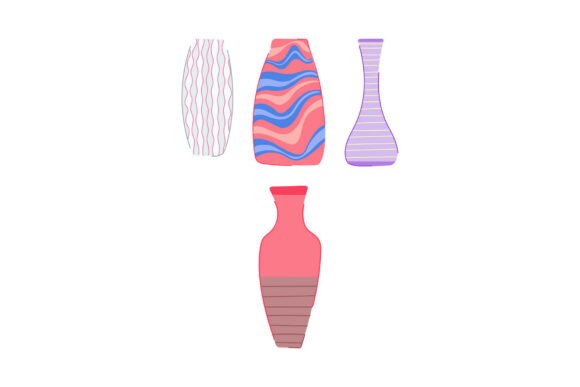
Retro Abstract Ceramic Vases for Home Decor
The resurgence of mid-century modern aesthetics has brought a renewed appreciation for objects that balance form and function. Among these, decorative ceramic vases with retro abstract designs stand out as versatile anchors in interior design. These pieces are not merely containers for flowers; they are sculptural statements that evoke the artistic freedom of the 1950s and 60s while fitting seamlessly into contemporary spaces. Whether you are curating a gallery wall, staging a home for sale, or simply adding warmth to a reading nook, understanding the nuance of these vessels can transform how you approach spatial styling.
Defining the Aesthetic Appeal
When we speak of retro abstract ceramics, we refer to pottery that features non-representational patterns, bold geometric shapes, and organic curves. Unlike traditional floral porcelain, these vases often showcase asymmetrical silhouettes, textured glazes, and color palettes ranging from muted earth tones to vibrant mustard yellows and teal blues. The "abstract" element allows for interpretation, making each piece a conversation starter. For the uninitiated, this style might seem bold, but its strength lies in its ability to bridge gaps between disparate design elements. A sleek, minimalist room gains character through a textured, irregular vase, while a maximalist space finds grounding in the solid, tangible presence of clay.
Perspectives for Different Audiences
The value of these decorative items shifts significantly depending on who is holding them. What serves as a simple accent for one person may be a critical tool for another. Understanding these differing priorities helps in selecting the right piece for your specific context.
For Interior Designers and Home Stagers
Professionals in the housing and design market prioritize visual impact and versatility. A decorative ceramic vase with a retro abstract pattern acts as a focal point that can define a room’s mood without requiring structural changes. For stagers, these vases are cost-effective tools to add personality to neutral spaces, helping potential buyers envision a lifestyle rather than just an empty shell. The key here is scale and proportion. A large, floor-standing vase with sweeping abstract lines can anchor a living room corner, while smaller, clustered vessels work well on mantels or entryway tables. Professionals evaluate these pieces based on their ability to complement existing furniture without clashing, often seeking matte finishes that photograph well under various lighting conditions.
For Artists and Creative Hobbyists
Creators view these vases differently. For a painter or photographer, a retro abstract vase is a prop with inherent narrative weight. Its unique shape and pattern provide texture and depth to still-life compositions. Hobbyists interested in ceramics themselves may study these pieces to understand glazing techniques or form construction. The priority here is inspiration and authenticity. An artist might seek out handmade pieces where the brushstrokes are visible, appreciating the human touch over machine-perfect symmetry. For these individuals, the imperfection is the feature, not the bug. They look for vessels that challenge conventional forms, offering new angles and shadows to explore in their own work.
For Small Business Owners and Retailers
Entrepreneurs running boutique shops or online stores focus on marketability and trend longevity. Retro abstract designs have shown remarkable staying power, moving beyond a fleeting fad to become a staple in modern decor. Business owners must consider the durability of the product during shipping and the story behind the item. Can they verify the artisan? Is the clay sustainably sourced? These factors add value for conscious consumers. Furthermore, retailers assess how these vases fit into broader collections. Do they pair well with textiles, candles, or books? A successful retailer curates a cohesive look, using the vase as part of a larger lifestyle offer rather than selling it in isolation.
For Everyday Consumers and Collectors
For the general consumer, the decision often comes down to emotional resonance and practicality. Does this vase bring joy? Does it fit the shelf? Beginners in home decor might feel intimidated by bold abstract shapes, fearing they will clash with their existing items. However, the beauty of abstract art is its neutrality. Because it does not depict specific scenes, it rarely conflicts with other patterns. Consumers should consider the maintenance of the piece. High-gloss glazes are easy to wipe clean, while unglazed or textured surfaces may trap dust. For collectors, the hunt is part of the pleasure, seeking out specific eras or artists, turning the acquisition into a long-term investment in personal taste.
Evaluating Quality and Craftsmanship
Regardless of your role, assessing the quality of decorative ceramic vases with retro abstract designs requires attention to detail. Start by examining the base. A well-made vase will have a smooth, finished bottom that protects your furniture. Check the weight; heavier ceramics often indicate denser clay and better durability, though lighter pieces can be intentional for delicate forms. Look at the glaze application. In abstract designs, variations in color intensity are expected and desirable, but cracks or unintended drips may signal poor firing processes.
- Form: Ensure the opening is functional if you plan to use it for fresh flowers. Some abstract shapes are purely sculptural with narrow necks that make arranging difficult.
- Color Fastness: High-quality glazes should not fade when exposed to indirect sunlight, preserving the vibrancy of the retro palette.
- Stability: Abstract shapes can sometimes be top-heavy. Test the center of gravity to ensure the vase will not tip easily on uneven surfaces.
Integrating Abstract Ceramics into Your Space
Placement is crucial. To maximize the impact of a retro abstract vase, consider the rule of thirds. Place the vase off-center on a surface to create dynamic visual interest. Pair it with materials that contrast its texture. For example, a rough, matte ceramic vase looks striking next to smooth glass or polished metal. If the vase features bold colors, keep the surrounding decor neutral to let it shine. Conversely, a monochrome abstract vase can serve as a subtle bridge between colorful cushions and artwork.
For educators and workshop leaders, these vases offer tangible examples for teaching design principles. They illustrate concepts like balance, rhythm, and emphasis. Using real-world objects helps students grasp abstract theories, making the learning process more engaging and memorable.
Making the Right Choice
Ultimately, choosing the right decorative ceramic vase depends on your intent. If you seek a quick refresh for a rental property, opt for durable, mid-range pieces that offer high visual return. If you are building a curated collection, invest in signed works from emerging artists. For those experimenting with design, start with smaller, less expensive items to test how abstract forms interact with your light and space. There is no single correct answer, only the choice that best aligns with your aesthetic goals and practical needs. By understanding the diverse applications and values of these pieces, you can select items that not only decorate but also enrich your environment.