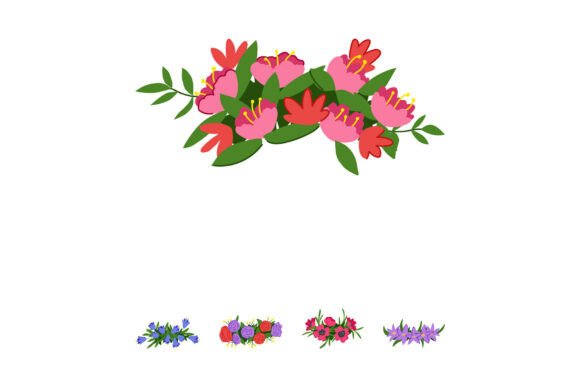
Decorative Flower Crowns and Bouquets for Spring and Summer Celebrations
The arrival of warmer weather brings with it a renewed sense of vibrancy and life, inspiring creators and event planners to incorporate natural elements into their designs. Among the most cherished traditions are decorative flower crowns and bouquets, which serve as timeless symbols of celebration, beauty, and connection to nature. These floral arrangements are not merely accessories; they are expressive tools that transform ordinary moments into memorable experiences. Whether you are planning a wedding, organizing a festival, or simply looking to add a touch of whimsy to a photoshoot, understanding the nuances of these floral crafts can elevate your creative projects significantly.
The Artistry Behind Floral Headpieces and Arrangements
Creating effective decorative flower crowns and bouquets requires a blend of artistic vision and technical skill. Unlike standard floral displays, headpieces and handheld bouquets must be lightweight, durable, and ergonomically designed to complement the wearer or holder. The foundation of any successful piece lies in the selection of materials. Fresh flowers offer unparalleled fragrance and texture but require careful hydration and timing. Conversely, high-quality silk or preserved botanicals provide longevity and consistency, making them ideal for events that span multiple days or for keepsakes intended to last a lifetime.
One of the key characteristics of modern floral design is the move away from rigid symmetry. Contemporary flower crowns often feature asymmetrical layouts, where larger blooms are balanced by trailing greenery or smaller filler flowers. This approach creates a more organic, "just-picked" aesthetic that resonates with current trends in bohemian and rustic styling. Similarly, bouquets have evolved from tight, round posies to loose, cascading arrangements that mimic the natural growth patterns of a garden.
Key Components of Vibrant Floral Designs
- Focal Flowers: Larger blooms such as peonies, roses, or sunflowers that draw the eye and establish the color palette.
- Filler Flowers: Smaller blossoms like baby’s breath, waxflowers, or statice that add volume and texture without overwhelming the design.
- Greenery: Eucalyptus, ferns, and ivy provide structure, contrast, and a fresh backdrop that makes the colors pop.
- Structural Elements: Wire bases, floral tape, and ribbons ensure the crown or bouquet holds its shape and remains secure during use.
Versatile Applications for Every Occasion
The utility of decorative flower crowns and bouquets extends far beyond traditional weddings. While brides and bridal parties remain primary beneficiaries, these floral creations have found a place in a wide array of social and professional contexts. Understanding where and how to use them can help you maximize their impact.
- Festivals and Outdoor Events: Music festivals and spring fairs are perfect venues for bold, colorful flower crowns. Participants often choose bright, durable materials that can withstand dancing and outdoor conditions while making a striking visual statement.
- Photography and Content Creation: Photographers frequently use floral headpieces and bouquets as props to add depth and interest to portraits. The soft textures of petals contrast beautifully with skin tones and fabric, creating ethereal and romantic imagery.
- Corporate and Brand Activations: Businesses hosting spring-themed launch events or community gatherings may use smaller garland designs or mini-bouquets as welcome gifts. This adds a tactile, sensory element to the brand experience.
- Personal Wellness and Mindfulness: The act of creating floral arrangements is increasingly recognized as a therapeutic activity. Workshops focused on making flower crowns allow participants to engage in mindful creativity, reducing stress and fostering social connection.
Evaluating Suitability: Fresh vs. Artificial
When deciding between fresh and artificial options for your decorative flower crowns and bouquets, several practical factors must be considered. Each choice offers distinct advantages and limitations depending on your specific needs.
Fresh flowers provide an authentic sensory experience. The scent of jasmine or lavender can enhance the emotional resonance of an event. However, they are perishable. If your event lasts more than a few hours, or if it takes place in high heat, fresh blooms may wilt. They also require careful handling to avoid bruising. For short-duration events like a morning ceremony or a brief photoshoot, fresh flowers are often the superior choice for their unmatched realism.
On the other hand, high-quality artificial or preserved flowers offer durability and consistency. They are immune to weather conditions, making them ideal for outdoor summer events where heat or wind might damage delicate petals. Additionally, they can be prepared weeks in advance, reducing last-minute stress. For individuals with pollen allergies, artificial options provide a safe alternative that allows everyone to participate in the floral tradition without discomfort. When evaluating suitability, consider the duration of wear, environmental conditions, and budget constraints.
Design Trends for Spring and Summer Themes
Seasonal influences play a crucial role in the design of various colorful floral arrangements. Spring designs tend to favor pastels and soft greens, reflecting the gentle awakening of nature. Think blush pinks, lavender, and mint. These colors evoke feelings of renewal and hope. As the season transitions into summer, the palette shifts toward bolder, more saturated hues. Sunflowers, deep reds, vibrant oranges, and royal blues become prominent, mirroring the intensity and energy of the summer sun.
Another emerging trend is the incorporation of non-floral elements. Dried grasses, feathers, and even small crystals are being integrated into crowns and bouquets to add texture and uniqueness. This eclectic approach allows for greater personalization, enabling creators to tailor each piece to the individual’s style or the specific theme of an event. For instance, a beach-themed wedding might feature seashells and dried palm leaves alongside white roses, creating a cohesive coastal aesthetic.
Practical Tips for Selection and Care
To ensure your decorative flower crowns and bouquets look their best, proper selection and care are essential. Here are some expert tips to guide you:
- Measure Accurately: For crowns, measure the head circumference precisely. A crown that is too tight will cause discomfort, while one that is too loose may slip. Adjustable ribbon ties are recommended for versatility.
- Consider Weight: Heavy blooms can strain the neck or slide off the head. Balance large flowers with lighter greenery and ensure the base is sturdy yet flexible.
- Hydrate Fresh Blooms: If using fresh flowers, keep them in water until the last possible moment. Use water tubes for individual stems in bouquets to extend freshness.
- Test for Allergies: Always check with wearers regarding pollen sensitivities. Opt for low-pollen flowers like orchids or roses, or choose high-quality silk alternatives.
- Store Properly: Keep finished pieces in a cool, dry place away from direct sunlight. For fresh arrangements, a refrigerator can help preserve them overnight, but ensure they are not exposed to ethylene-producing fruits.
Conclusion: Embracing the Beauty of Floral Craft
Decorative flower crowns and bouquets represent more than just decorative accessories; they are a celebration of nature’s beauty and human creativity. By understanding the materials, design principles, and practical considerations involved, you can create or select pieces that truly enhance your special occasions. Whether you are drawn to the ephemeral charm of fresh blooms or the lasting elegance of preserved arrangements, these floral elements offer a versatile way to express joy, style, and connection. As you plan your next spring or summer event, consider how these vibrant compositions can add a layer of meaning and memorability to your experience.