Decorative Circle Elements: Blending Traditional Patterns with Modern Graphic Design
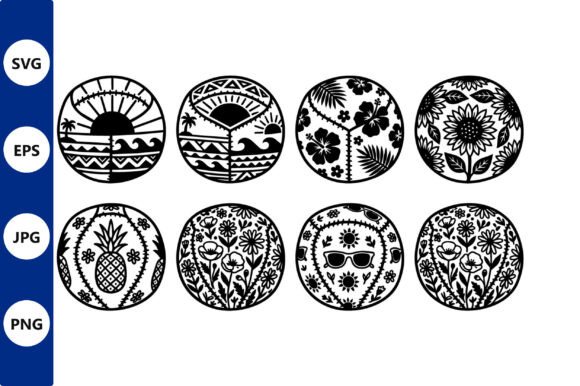
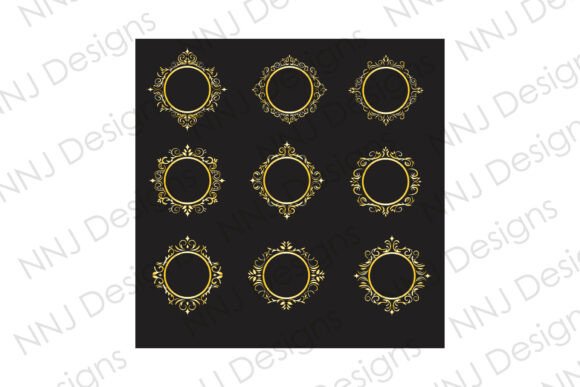
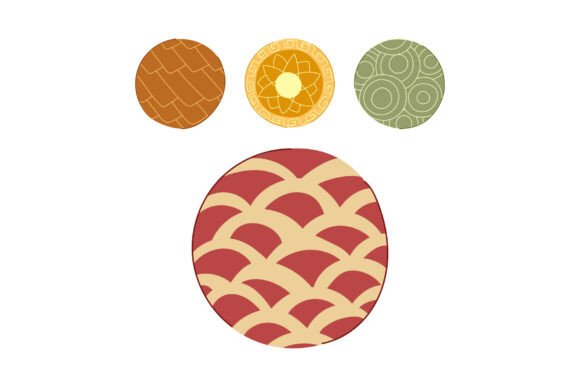
In the vast universe of graphic design, few shapes carry as much symbolic weight and visual versatility as the circle. Unlike sharp angles or rigid squares, the circle suggests unity, infinity, and harmony. When designers incorporate decorative circle elements into their work, they are not merely adding a border; they are tapping into a rich history of artistic expression. These elements feature various traditional patterns, including geometric shapes, floral motifs, and wave designs, offering a versatile graphic resource for creators across industries.
Understanding how to effectively use these circular motifs can elevate a simple layout into a sophisticated composition. Whether you are designing a brand logo, a wedding invitation, or a website interface, knowing the nuances of traditional circular patterns allows you to communicate deeper meanings without saying a word. This article explores the significance of these elements, breaks down their primary styles, and offers practical advice on integrating them into modern projects.
The Symbolism and Purpose of Circular Designs
Before diving into specific patterns, it is essential to understand why circles are so prevalent in traditional art. Across cultures, the circle represents the cyclical nature of life, the sun, the moon, and the concept of wholeness. In design psychology, circular shapes are perceived as soft, safe, and welcoming. They guide the viewer’s eye inward, creating a focal point that demands attention without aggression.
When we add decorative elements to this base shape, we layer cultural context onto that psychological foundation. A circle filled with intricate lace-like patterns might evoke feelings of elegance and tradition, while a bold geometric circle might suggest stability and order. For businesses and educators, leveraging these associations can help build trust and engagement. For instance, a wellness brand might use a circle with organic, leafy motifs to signal natural health, whereas a tech company might opt for clean, mathematical geometric circles to imply precision.
Exploring Traditional Pattern Categories
Decorative circle elements are not a monolith; they are a diverse collection of styles drawn from global artistic traditions. To use them effectively, one must distinguish between the three most common categories: geometric, floral, and wave-based designs.
Geometric Shapes and Symmetry
Geometric patterns within circles often rely on mathematical precision. Think of mandalas, Islamic tile work, or Celtic knots. These designs are characterized by repetition, symmetry, and interlocking lines.
- Mandalas: Originating from Hindu and Buddhist traditions, mandalas are radial balance designs that represent the universe. In modern graphics, simplified mandalas are popular for mindfulness apps and yoga studio branding.
- Lattice Work: Inspired by architectural screens and trellises, lattice patterns create a sense of structure and transparency. They are excellent for background textures that need to remain subtle.
- Sacred Geometry: Patterns like the "Flower of Life" combine overlapping circles to create complex, harmonious structures. These are often used in spiritual or holistic business contexts.
The key to using geometric circular elements is maintaining clarity. Because these patterns can become visually dense, they work best when there is ample white space around them. Overloading a design with too many intricate geometric details can confuse the viewer rather than impress them.
Floral Motifs and Organic Growth
If geometric patterns represent order, floral motifs represent life. Traditional circular frames adorned with flowers, vines, and leaves have been staples in Victorian stationery, Art Nouveau posters, and Eastern ceramics. These elements soften the rigidity of digital screens and print media.
Floral circular elements often feature:
- Wreaths: Circular arrangements of leaves and flowers, commonly used in logos for bakeries, florists, and boutique shops.
- Medallions: Centralized floral bursts that radiate outward, often seen in textile design and luxury packaging.
- Vine Borders: Delicate, twisting stems that form a perfect ring, ideal for framing text or portraits.
For beginners, it is important to note that floral does not always mean colorful. Black-and-white line art floral circles can appear modern and minimalist, making them suitable for corporate environments that still want a touch of warmth.
Wave Designs and Fluid Motion
Wave patterns, such as the Japanese Seigaiha (blue ocean waves) or Art Deco scallops, introduce movement to the static circle. These designs mimic the rhythm of water, wind, or sound. They are particularly effective in creating a sense of flow and continuity.
Wave-based circular elements are often used in backgrounds or as subtle textures because their repetitive nature creates a calming visual effect. In web design, a circular button with a subtle wave pattern can invite interaction by suggesting fluidity and ease of use. However, care must be taken to ensure the pattern does not clash with the text placed over it. Low-contrast waves work best as secondary design elements.
Practical Applications in Modern Design
How do these traditional elements fit into contemporary workflows? The answer lies in adaptation. Modern design tools allow us to extract these traditional motifs and apply them in new, unexpected ways.
Branding and Identity: A logo enclosed in a decorative circle creates a badge-like appearance that feels established and trustworthy. Many coffee shops and craft breweries use this technique to convey artisanal quality. By choosing a specific pattern—such as a hop vine for a brewery or a coffee bean wreath for a cafe—the brand communicates its niche instantly.
Digital User Interfaces: In app design, circular icons are standard. Adding a thin, decorative border to these icons can differentiate a premium service from a basic one. For example, a finance app might use a subtle geometric coin pattern around its savings icon to reinforce the theme of accumulation and security.
Print and Packaging: This is where decorative circles shine brightest. On product packaging, a circular seal with traditional patterns can serve as a "stamp of approval" or highlight a key feature, such as "Organic" or "Handmade." The contrast between the curved decorative element and the rectangular box creates visual interest that draws the consumer's eye.
Common Misunderstandings and Best Practices
One common assumption is that decorative elements are merely ornamental and therefore optional. In reality, they serve functional purposes in visual hierarchy. They frame content, separate sections, and guide the eye. Ignoring their structural role can lead to cluttered designs.
Another misunderstanding is that traditional patterns look outdated. While a direct copy of a 19th-century engraving might feel stale, modernizing these elements through color, scale, or simplification keeps them relevant. For instance, taking a complex floral wreath and reducing it to three simple leaves creates a contemporary icon that still nods to tradition.
To avoid visual chaos, follow these guidelines:
- Limit Complexity: If your decorative circle is intricate, keep the rest of the design minimal.
- Check Contrast: Ensure the pattern is visible against the background but does not overpower the main subject.
- Maintain Consistency: If you use geometric circles in one section of your project, avoid switching to loose floral circles in another unless there is a clear thematic reason.
Conclusion
Decorative circle elements are more than just pretty pictures; they are powerful communication tools that bridge the gap between tradition and modernity. By understanding the distinct characteristics of geometric, floral, and wave patterns, designers can make informed choices that enhance their message. Whether you are aiming for the precision of sacred geometry, the warmth of a floral wreath, or the calm of ocean waves, these versatile graphic resources offer endless possibilities.
As you experiment with these elements, remember that the goal is balance. Let the circle frame your content, honor its historical roots, but adapt it to speak clearly to today’s audience. With thoughtful application, decorative circles can transform ordinary designs into memorable visual experiences.